
Gas, Heat Pump or Continuous Flow?
The right system depends on your household, your energy supply and where it will go. Here’s how they compare.
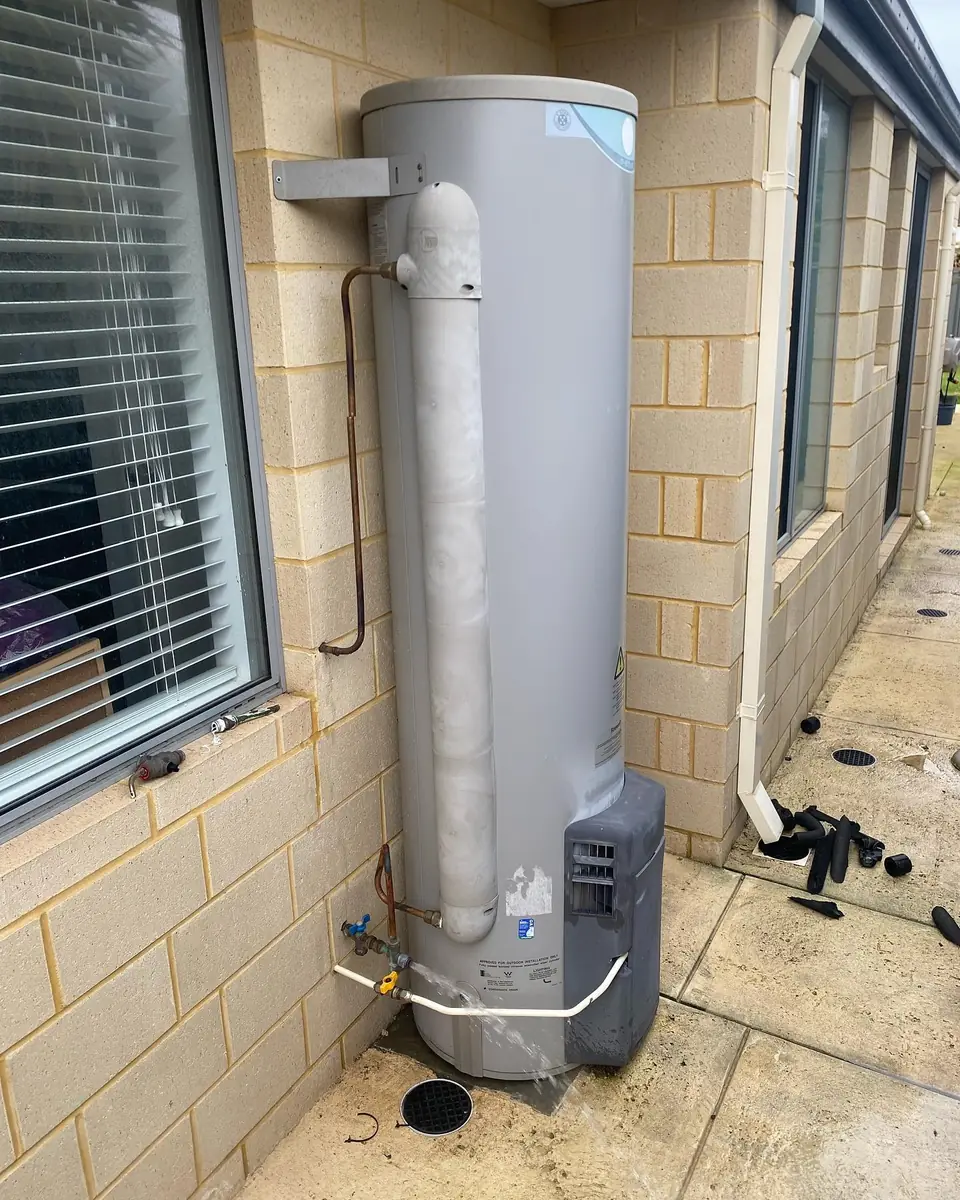
Gas storage
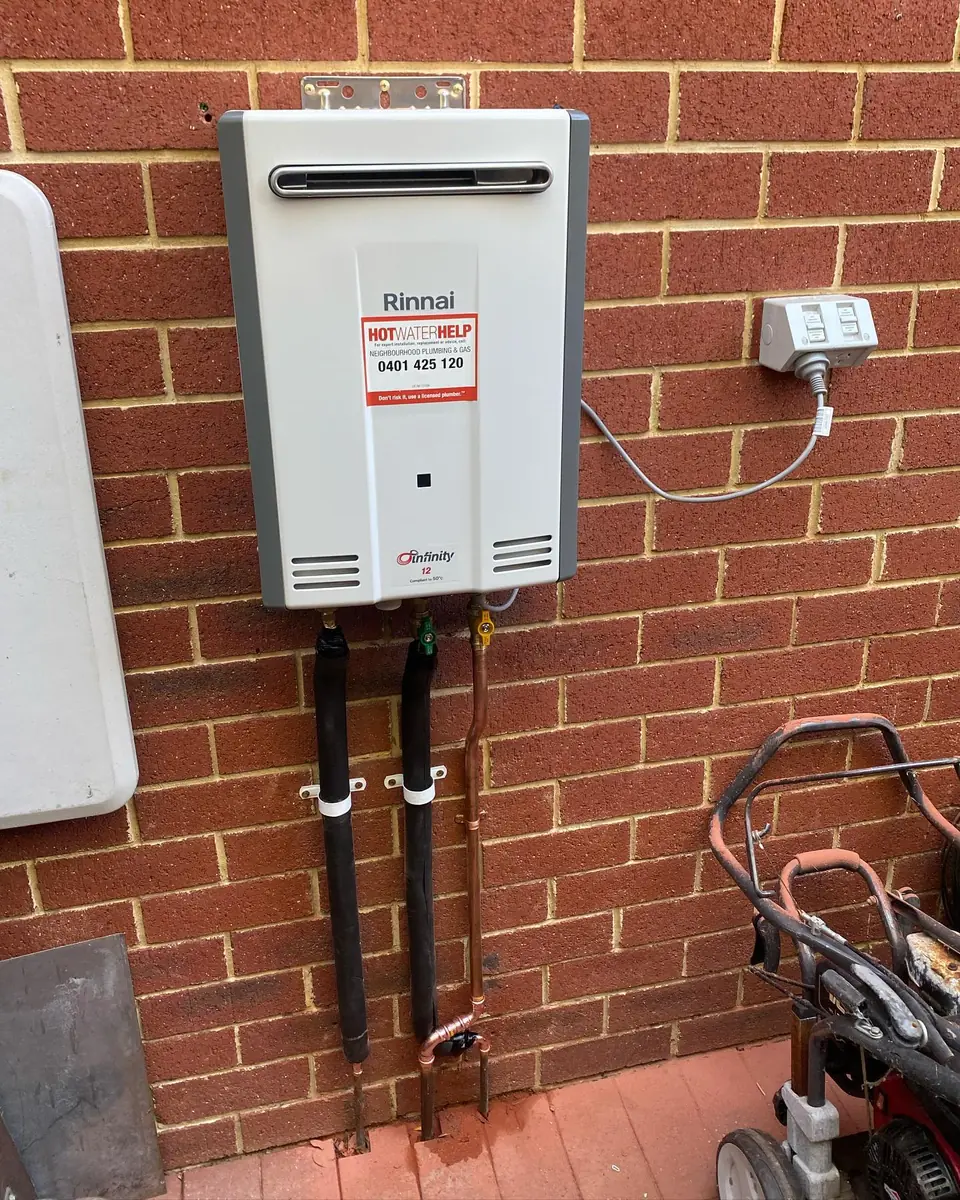
Continuous flow gas

Electric heat pump

Electric storage
| Gas storage | Continuous flow gas | Electric heat pump | Electric storage | |
|---|---|---|---|---|
| Best suited to | Homes with natural gas and steady, high hot water use | Households that want hot water that never runs out | Homes without gas, or with solar panels | Small households, units, or like-for-like replacements |
| Running efficiency | Good. Star-rated; heats a full tank and keeps it hot | High. Only heats water when a tap is on | Very high. Uses about a third of the power of an electric tank | Lowest. Cheaper to run on off-peak or solar |
| Space needed | Outdoor tank, roughly the size of a fridge | Compact wall unit; no tank | Tank with a fan unit; needs outdoor airflow | Indoor or outdoor tank |
| Performance | Large draw for several showers at once; recovers quickly | Endless hot water at a steady temperature | Reliable in Perth’s climate; a quiet hum like an air-con unit | Fine for steady use; slow to recover once empty |
| Typical lifespan in Perth | 8–12 years | 15–20 years | 10–15 years | 10–12 years |
| Good to know | Heat lost keeping the tank hot | May need a larger gas line | Higher upfront cost | Highest running cost |
Not sure which suits you?
Tell us how many people live in the house, whether you have gas and solar, and send a photo of your current unit. We’ll recommend a system and give you a fixed price.
Need a plumber or gasfitter? Let’s get it sorted.
No call-out fee. A fixed price before we start. Licensed plumbers and gasfitters across Perth.